
Beyond the Meter: How Solar is Empowering NSW Homeowners to Achieve Energy Independence
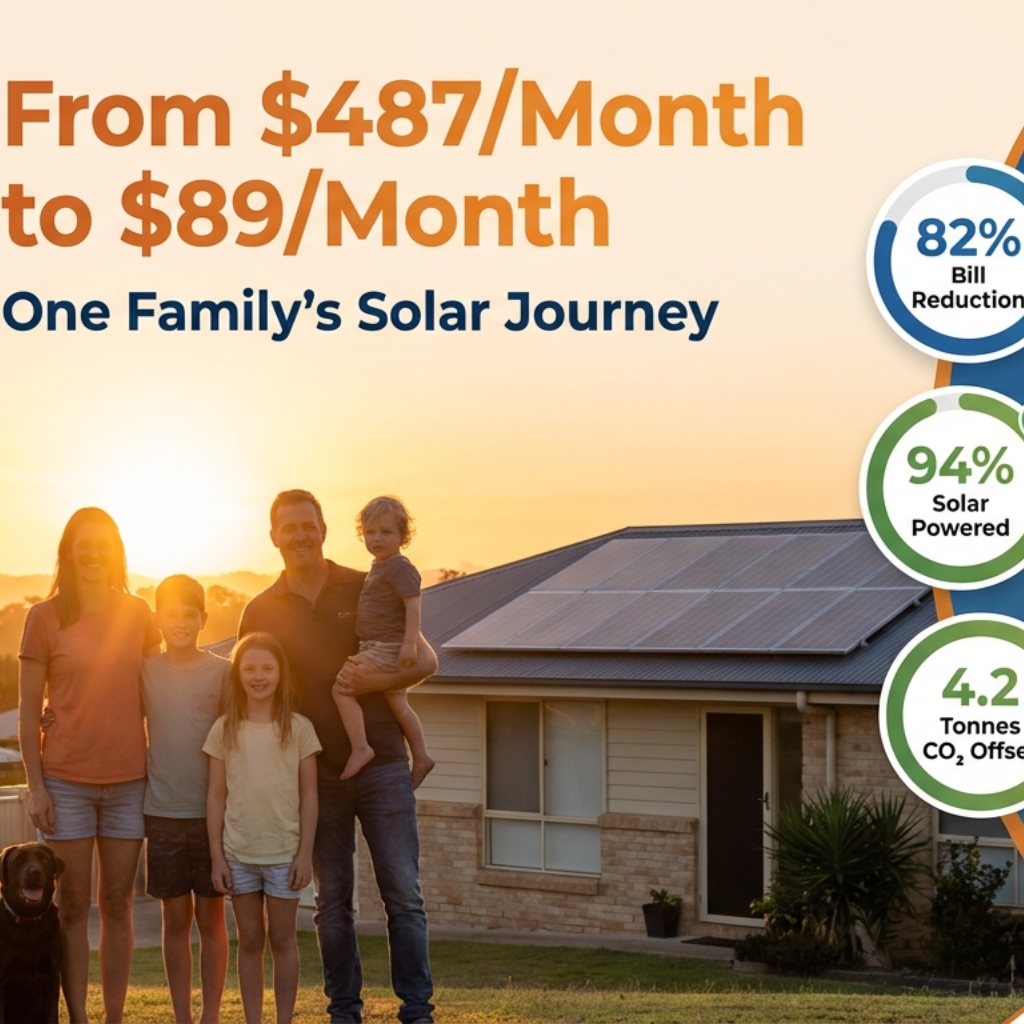
In an era of fluctuating energy prices and growing environmental concerns, homeowners across New South Wales are seeking more than just a reduction in their electricity bills. They are seeking energy independence: the power to control their energy consumption, reduce their reliance on the grid, and contribute to a more sustainable future. Solar energy, once a niche technology, has emerged as the cornerstone of this movement, empowering households to take charge of their power.
This shift is about more than just installing panels on a roof; it represents a fundamental change in how we think about and consume energy. It’s a move away from being passive consumers to becoming active participants in a decentralized energy landscape.
The Financial Case for Energy Independence
While the upfront cost of a solar installation is a significant consideration, the long term financial benefits are compelling. With electricity prices in Australia experiencing significant volatility, generating your own power provides a hedge against future price hikes. The return on investment (ROI) for a residential solar system in NSW is typically between 3-6 years, after which the electricity generated is essentially free [1].
Furthermore, the NSW government offers a range of incentives to encourage the uptake of solar, including the Small-scale Renewable Energy Scheme (SRES), which provides a point-of-sale discount on the cost of a new solar system [2]
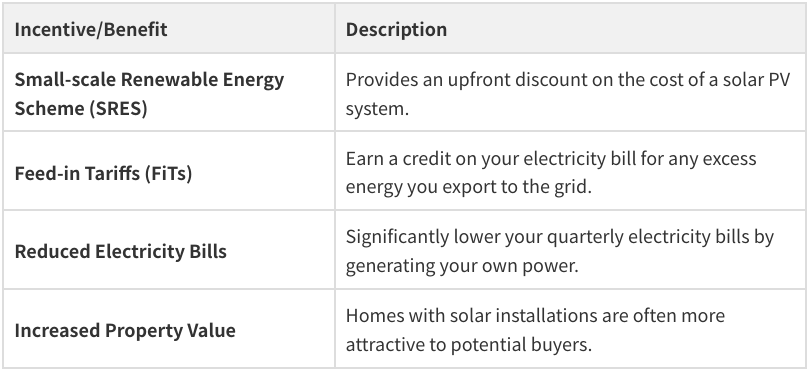
More Than Just Savings: The Broader Benefits of Solar
Beyond the financial incentives, the move to solar offers a range of benefits that contribute to a more resilient and sustainable lifestyle:
Grid Stability: During periods of high demand, a distributed network of solar powered homes can help to reduce the strain on the electricity grid, preventing blackouts and ensuring a more stable power supply for everyone.
Environmental Impact: By generating clean, renewable energy, you are directly reducing your carbon footprint and contributing to Australia’s transition to a low carbon economy.
Energy Security: In the face of increasingly frequent extreme weather events, having your own source of power provides a crucial layer of security and resilience for your family.
The Future is Bright: What’s Next for Residential Solar?
The journey to energy independence doesn’t end with the installation of solar panels. The next wave of innovation is focused on integrating solar with other smart technologies to create a truly holistic home energy ecosystem. This includes:
Battery Storage: Store excess solar energy to use at night or during a blackout, further reducing your reliance on the grid.
Electric Vehicle (EV) Charging: Power your EV with clean, free energy from your rooftop.
Smart Home Energy Management Systems: Optimize your energy consumption by automatically scheduling appliances to run when solar generation is at its peak.
By embracing solar, NSW homeowners are not just making a smart financial decision; they are investing in a more secure, resilient, and sustainable future for themselves and their communities. They are moving beyond the meter and taking control of their energy destiny.
References
[1] Solar Market, “Solar Power in NSW: Prices, Rebates & Best Retailers,” https://www.solarmarket.com.au/solar-power-nsw/
[2] Energy.gov.au, “Small-scale Renewable Energy Scheme,” https://www.energy.gov.au/rebates/small-scale-renewable-energy-scheme
Contact Kratos Energy today for a free commercial solar assessment. Our experts will analyze your facility's energy consumption, design an optimal system, and calculate your specific ROI. Let's transform your business into an energy-efficient, profitable operation.
